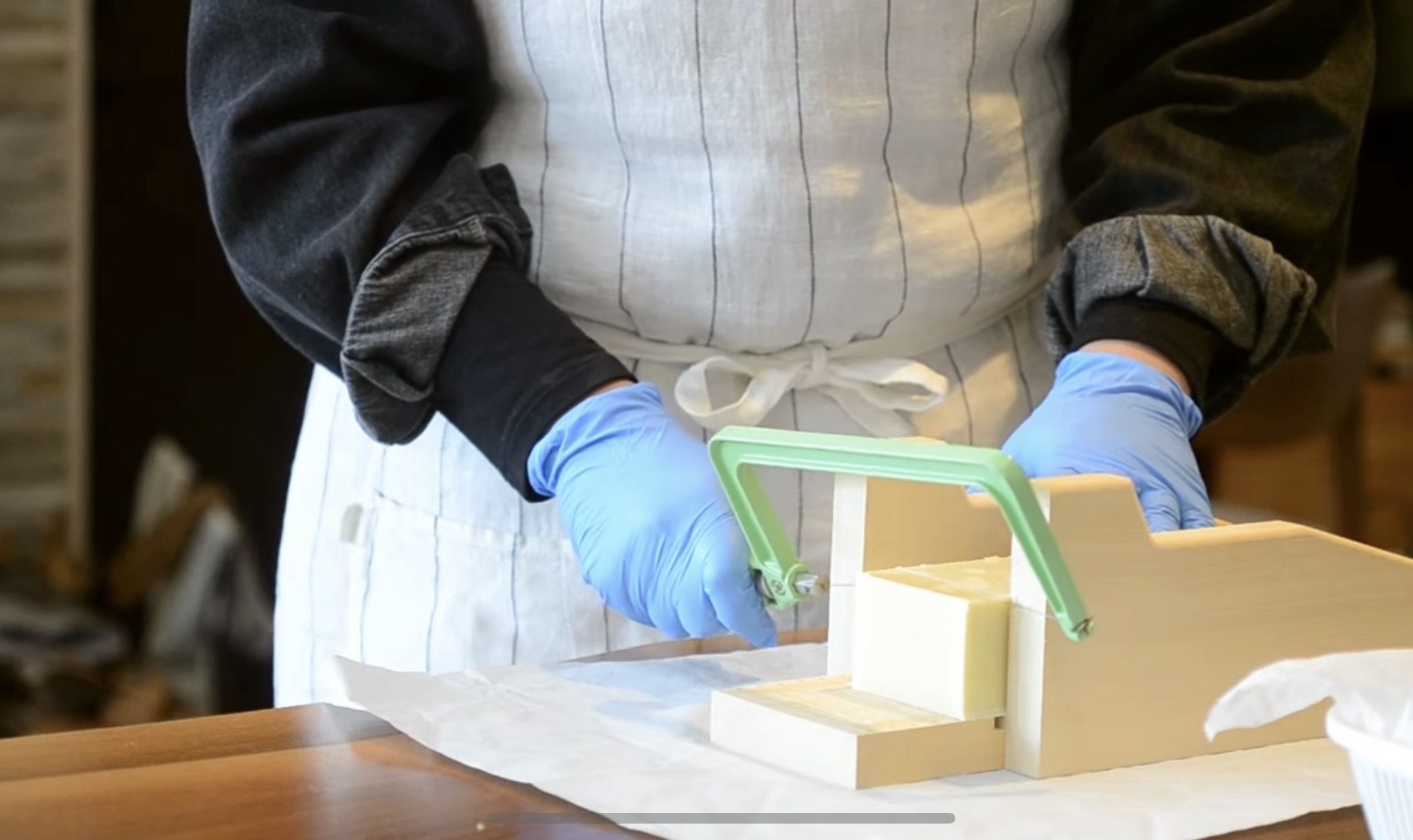
That the reason he started making soap was for his son's junior high school science summer free study,
Previous articleWritten in.
So at that time, YouTube was not yet available, or if it was, it was not common,
I am self-taught because I made it from a book.
The method of making the food shown here is what I have learnt since then from various websites and YouTube videos, in addition to books. I am not an expert, so there may be some parts that are incorrect. If you find any such mistakes, please point them out to us.
andVideo of soap making on YouTube.The following information has been submitted.
We hope to be able to tell you about it here, as we do not introduce it as a 'how to' in the video.
The following recipe differs from the video in that it does not use shea butter and does not extract the fir and pine extracts. Please note that the quantities of ingredients used are different from those in the video.
[Material.
Olive oil, pure 250 g
250 g rice oil
57.4 g caustic soda
170 g purified water
(DISCOUNT 15%)
🔹All measurements are in grams. Oils, for example, are marked 250ml on the packaging, but this is not a gram, so please do not use it as it is, but use a scale to measure it. 1 ml of oil is lighter than 1 gram.
🔹🔹Caustic soda (sodium hydroxide) is a toxic and deleterious chemical.
It is very strongly alkaline. If it gets on the skin or in the eyes, it can cause chemical burns or, if it gets into the eyes, blindness.
Please always wear rubber gloves, glasses and a mask for protection and handle with care.
The word 'caustic' means 'skin-irritating'.
Please be really careful.
[To be prepared].
Moulds for soap (containers that can hold 1 litre are required. Moulds, milk cartons, storage containers, etc.).
mixing bowl
eggbeater
rubber spatula
weighing
thermometer
Mixing sticks (e.g. vegetable chopsticks)
Measuring cups (or cups, etc.)
wrap
rubber gloves
Glasses (protective)
mask
Cooler boxes, Styrofoam boxes, cardboard boxes, etc.
Knives and cutters for cutting up soap.
Newspapers or disused cloths for use in washing equipment.
[How to make it].
0. Keep the room ventilated, e.g. by turning on the exhaust fan (for number 4).
Wear rubber gloves, mask and glasses to protect skin and eyes.
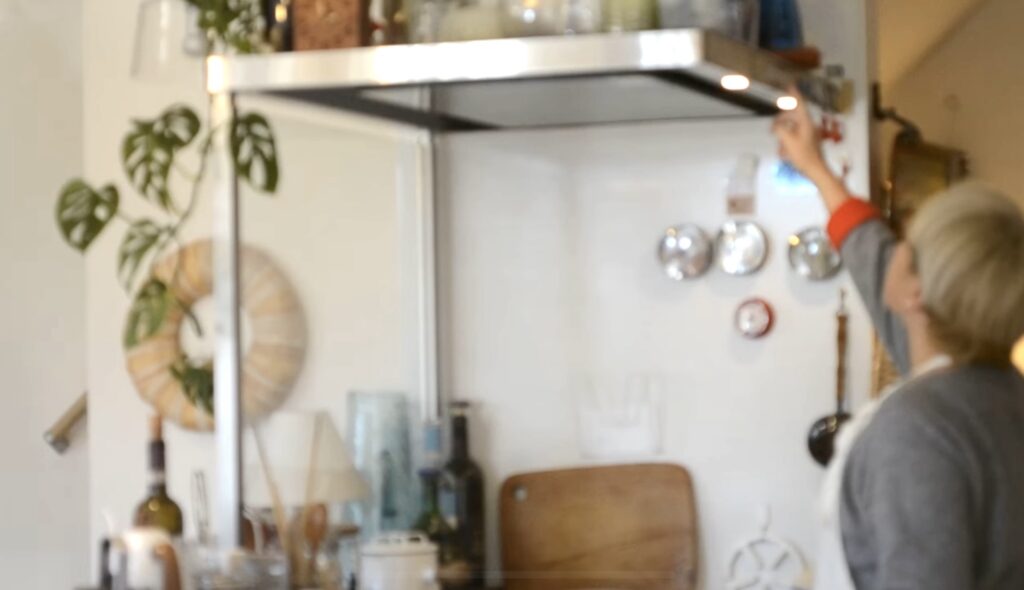
1. measure and prepare purified water and caustic soda in separate containers.
Caustic soda is a strong alkaline deleterious chemical and should be handled with care.
Do not touch with bare hands!
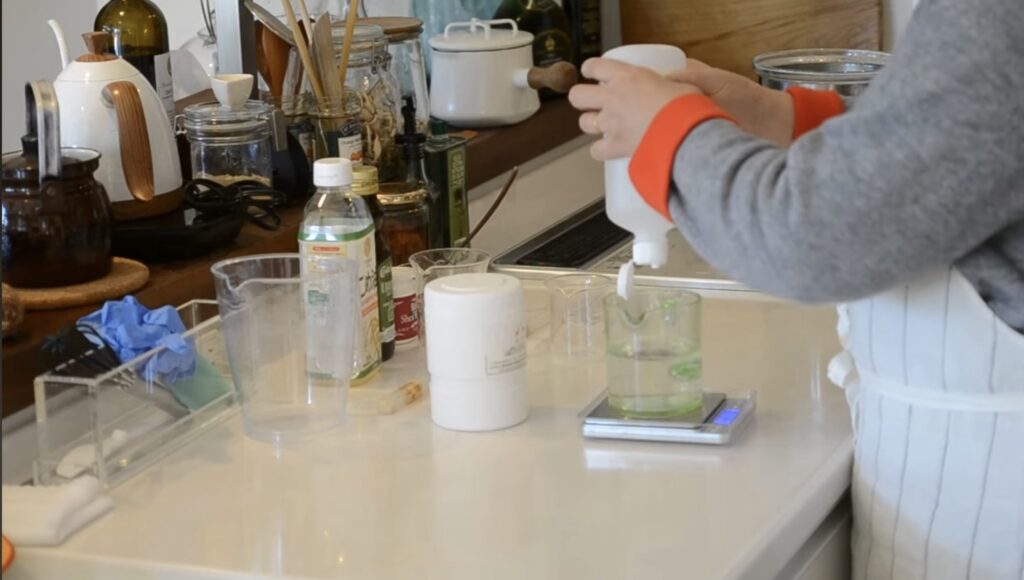
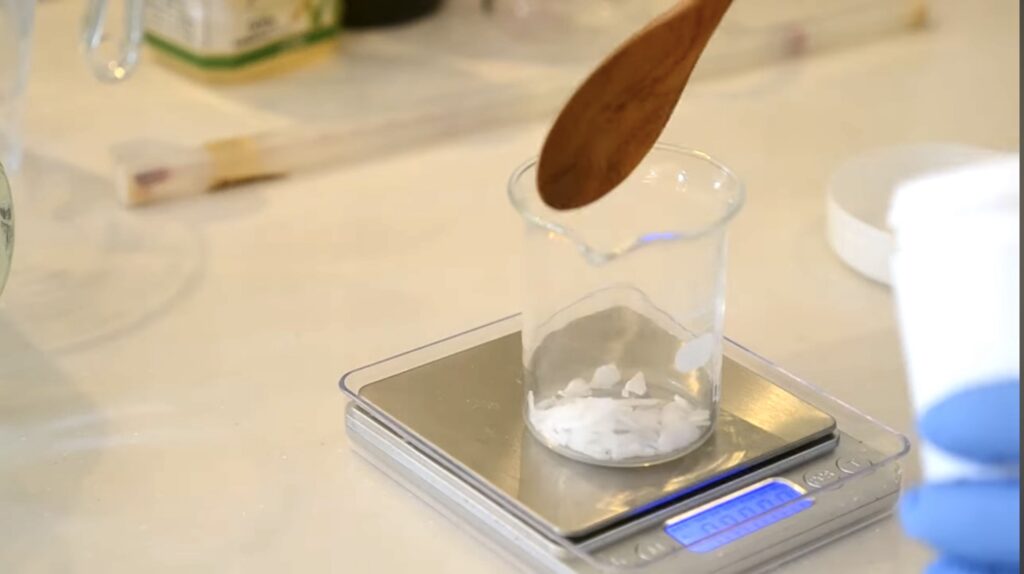
2. measure and prepare the oil together in a mixing bowl.
3. place the bowl with the oil in the mixing bowl while the mixing bowl is being heated in hot water.
4. dissolve caustic soda in purified water, a little at a time, to make caustic soda water.
Toxic gases are produced at this time, so take care to ventilate the area.
Also, be careful when caustic soda is added to purified water, as it generates heat and can lead to high temperatures.
Leave it until the temperature reaches 40°C.
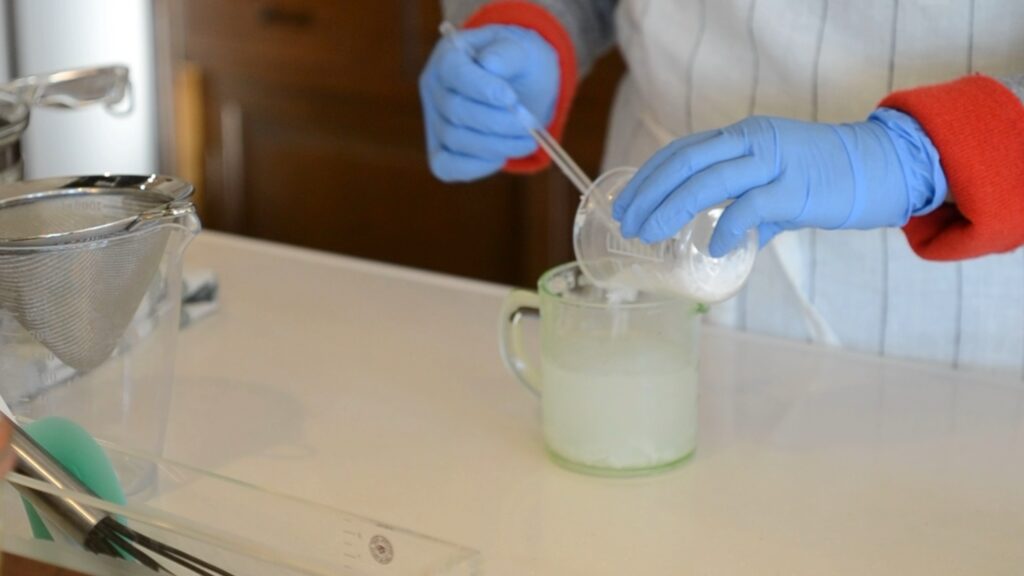
5.1.Combine the oil and caustic soda water at 40°C each.
It is important that the respective temperatures are aligned.
6. when the temperature is right, add caustic soda water to the oil.
Caustic soda water is a strong alkali, so take care to avoid splashing.
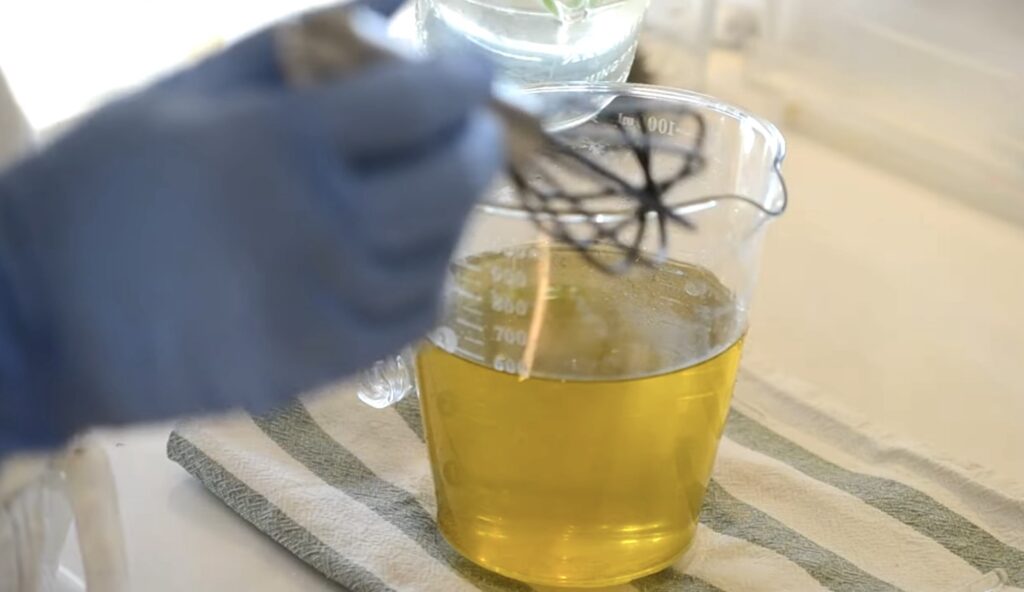
7. turn the mixture with a whisk for about 20 minutes.
Until the colour turns white and the consistency is about the consistency of thick mayonnaise,
(This condition is called 'tracing out'.) Keep mixing.
The time it takes for the trace to come out depends on the oil used. Olive oil is harder to get out,
Olive oil alone can take a day.
It is also harder to get a trace when the temperature drops,
In this case, boil the water and keep the temperature at around 40°C.
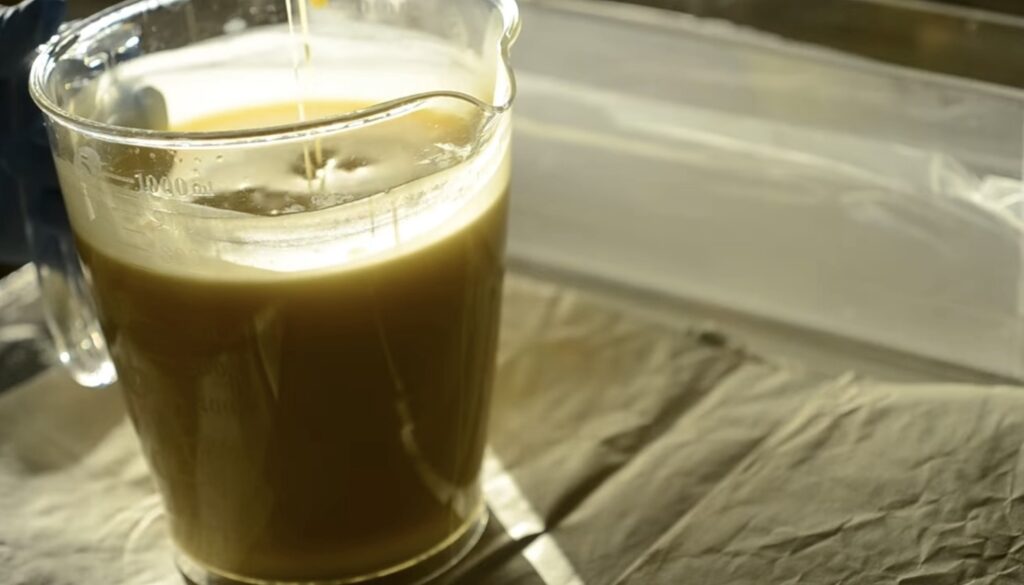
8. once traced, pour into moulds. Cover the top with plastic wrap.
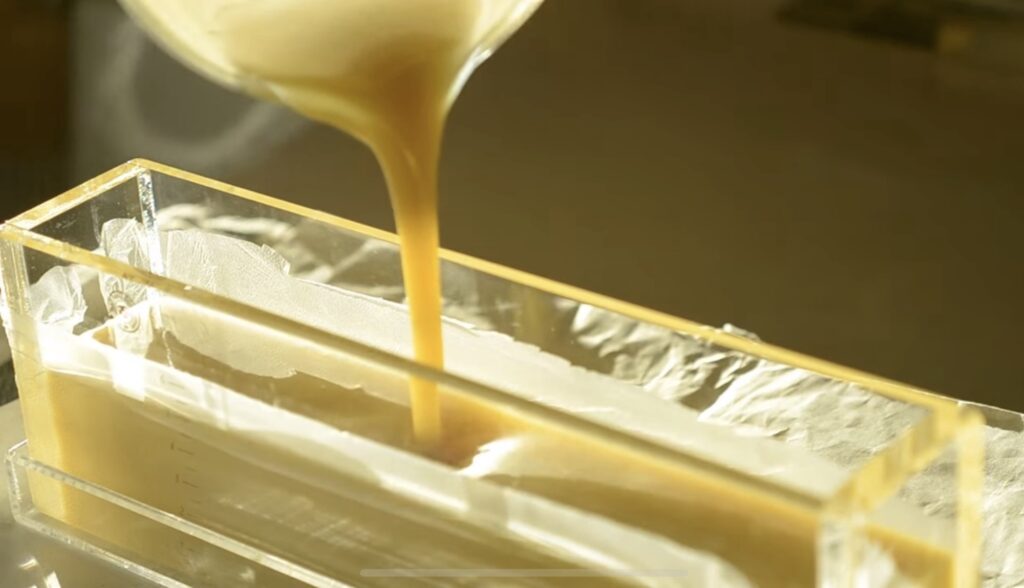
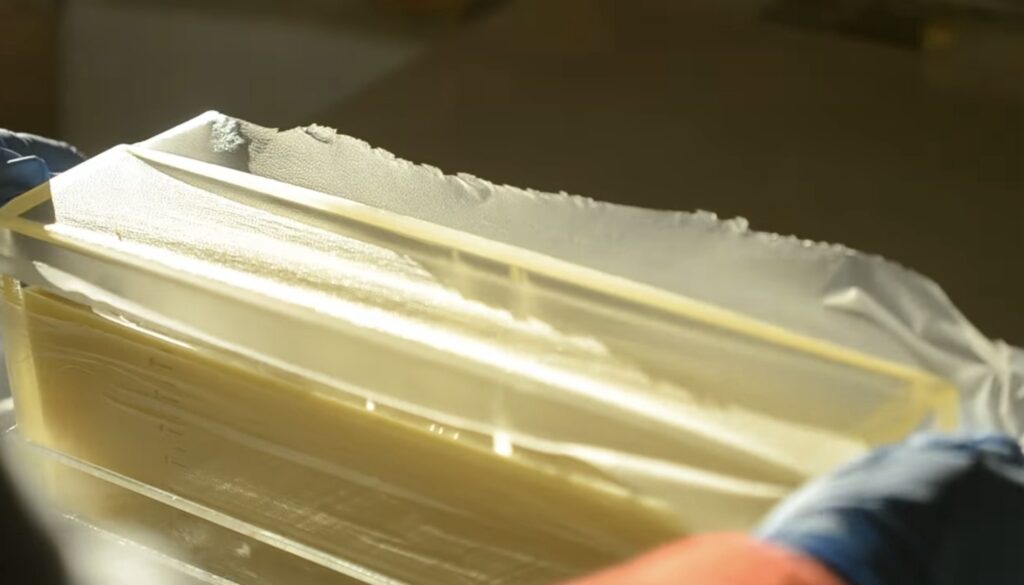
9. place in a Styrofoam or cooler box and keep warm for 24 hours in a stable place.
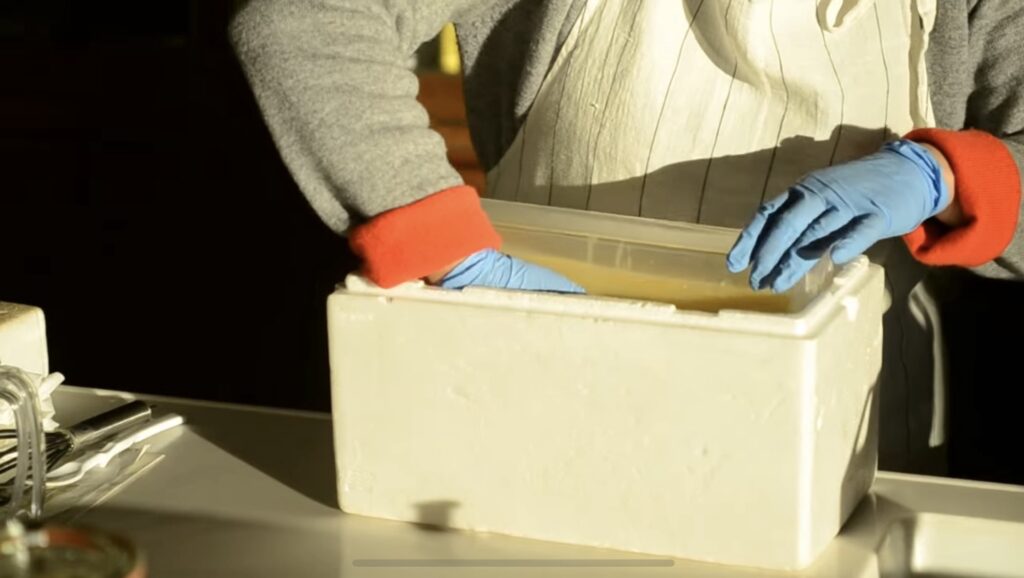
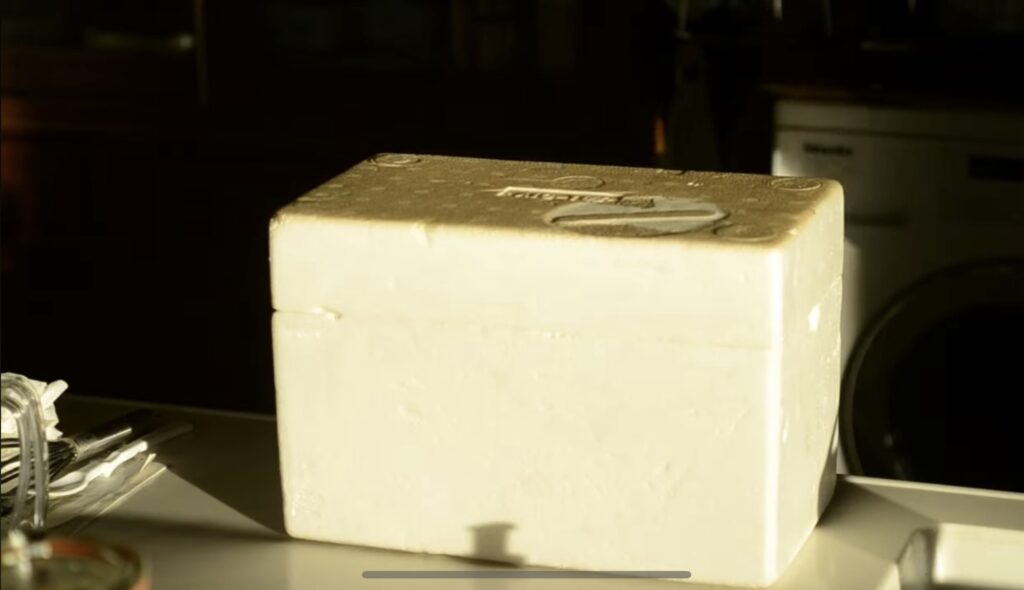
10. clean-up.
The tools used should be wiped clean of soapy dough well with newspaper or old cloth,
Wash with detergent.
After wiping, spray a concentrated citric acid water to neutralise the alkali content,
It is also better to wash them with detergent.
Do not wash it off directly if you make a mistake.
May damage drains and pipes.
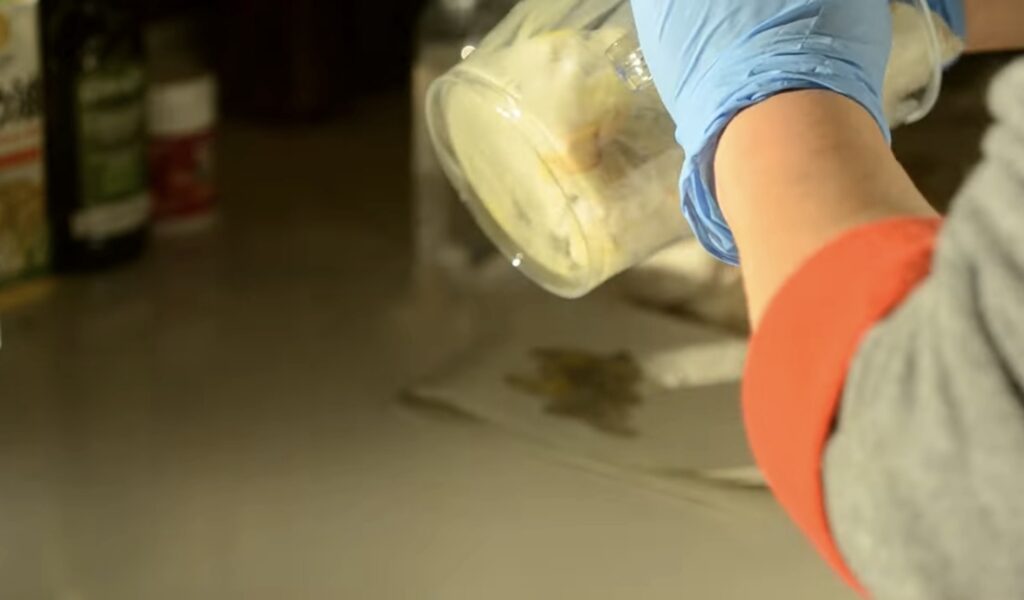
11. when the soap has hardened after 24 hours, remove it from the mould wearing rubber gloves and cut it into pieces.
If still soft, leave for another day or two.
Soap at this time is still highly alkaline and should not be touched with bare hands.
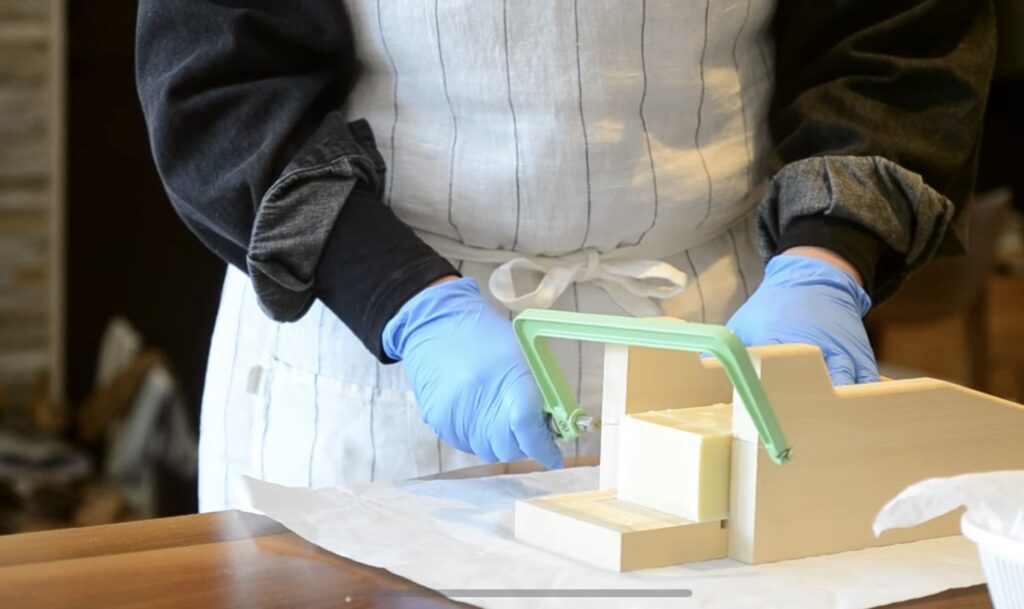
12.Place the cut-up soap in a basket or similar in a well-ventilated place out of the sun,
Dries and matures for approx. 1 month.
You should write the date down somewhere... Â
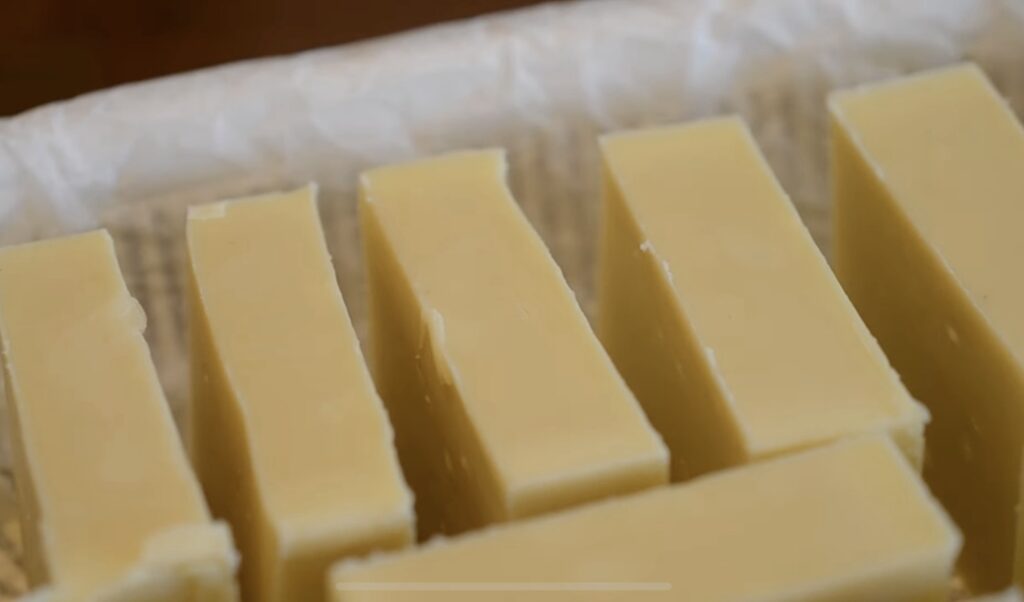
13. looking forward to it becoming available ✨.
I am not always very particular about oil and often use pure olive oil or rice oil, which are readily available in supermarkets. Sometimes I see a recipe for something and make it exactly like that.
In addition to olive oil, palm oil and coconut oil are commonly used for homemade soap.
🔹Here are the tools for making soap used in the video. (Rakuten)
type II (blood, influenza, hepatitis, etc.)
https://a.r10.to/hFS21c
Soap cutters and platforms.
https://a.r10.to/h5wI85
https://a.r10.to/hktjPH
The shop sells a variety of materials for handmade soap.
Cafe de Savon
https://a.r10.to/hRUj7A
🔹 A website that calculates the amount of caustic soda and other ingredients when making soap with various oils.
http://sekken-life.com/life/simulation/simulation.php